The Worst Thing They Can Say is “No”: How to Seize Opportunities by Putting in the Work.
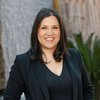
For the latest edition of EdTech Mentor, we recently had the pleasure of speaking with Mirissa Kampf, Senior Director of Global Integrated Marketing at D2L. During our conversation, she impressed us with the breadth and depth of her knowledge of marketing and leadership in the EdTech space and beyond. As usual, we have distilled the most relevant remarks and lessons into our Pearls of Wisdom, but you can also enjoy and enrich yourself with the full interview, where Mirissa shares, among many things, how she overcame the obstacles of a difficult upbringing to thrive as an educator, marketer, and leader.
Please tell us a bit about your background.
That's such a great question and an important one for me. Education has had such a huge impact on my life, which is why I'm where I am and why I'm so passionate about it. My older brother and I were the first in our family to go to college, and I was the first to graduate from a master's program. Neither our parents nor our grandparents had an education. I went to 24 different schools, including university at that point. The first time I stayed in one school for a whole year was in fifth grade. We usually moved 2-3 times a year, so I was constantly moving because my parents couldn't afford to stay in the house. So I never really had the same experience that other kids had, but you don't really realize that when you're a kid.
I was taken away from my family when I was 15, but some of my siblings were taken away before me; I'm one of four. At 16, I was living on my own, struggling to get student loans from banks or the government because of my non-existent credit and complex family situation. I worked three jobs in high school, trying to save. I ended up paying for college in cash because it was the only option for me.
Pearl of wisdom
As an educator who made her way into marketing in EdTech, my focus extends beyond education itself. I'm drawn to individuals who possess two key attributes: a relentless thirst for learning and a strong work ethic.
What was that path that led you to working in EdTech?
Along the way, I was super thankful to be mentored by amazing professors throughout my undergraduate and then master's program. I'm still in touch with Dr. Sheila Le Blanc at the University of Calgary, who I now consider a close friend. She got me my first teaching job at the SAIT School of Business, where I taught Consumer Behavior. I then taught at the University of Calgary before accepting my role at D2L.
I began in radio and television as an advertiser and producer, shifting toward communication. In my early 20s, I unintentionally started my first company, which thrived with over 50 employees nationwide. I garnered global awards working with Shell, Ferrari, and Pennzoil at the Montreal Grand Prix, collaborated with the Canadian government, Subway, Remy Martin, and Cirque du Soleil. Then, I delved into entrepreneurship, launching successful ventures, including a baby clothing company and a digital agency. When COVID struck, I found my way to D2L, and the rest is history.
For me, getting into education technology was an important piece that made it all come together, and I'm so passionate about it because there needs to be more flexible ways for people who are less privileged or have different life paths to access quality education. Making education accessible is something that I am so passionate about because of the way I grew up. So to be able to have that impact today, I think, is such an amazing thing.
Pearl of wisdom
I draw inspiration from Carol Dweck's growth mindset, which underscores that anyone can acquire new skills. For example, I ask candidates to describe a time when they set a challenging goal, whether in their professional or personal life, and detail the steps they took to achieve it.
What do you consider to be your greatest achievement so far?
My greatest achievement is the result of numerous small successes, but equally significant, a multitude of substantial failures and the invaluable lessons they imparted. From this perspective, my greatest accomplishment is the ability to fail forward; to embrace failure as a stepping stone to growth and learning, a testament to my tenacity. Additionally, I genuinely believe that my greatest accomplishment lies in the teams I've collaborated with, aiding in their development and success. While their achievements are their own, I take immense pride in their accomplishments.
Pearl of wisdom
The complexity of working across sub-regions and countries with their languages and unique requirements makes a standardized framework impractical. Adaptation to regional, sub-regional, and vertical nuances is crucial.
What do you look for in the people that work with you?
As an educator who made her way into marketing in EdTech, my focus extends beyond education itself. I'm drawn to individuals who possess two key attributes: a relentless thirst for learning and a strong work ethic. This combination empowers them to overcome challenges and achieve success by embracing opportunities for growth. I seek out and collaborate with people who embody these qualities, both in my team and beyond.
Is there a practical way to look for that during the hiring process?
In my master's research in communication, my focus extended into behavioral economics. The questions I often use delve into human behavior more than technical skills. I draw inspiration from Carol Dweck's growth mindset, which underscores that anyone can acquire new skills. For example, I ask candidates to describe a time when they set a challenging goal, whether in their professional or personal life, and detail the steps they took to achieve it. Another question involves what they would do if given $50,000 to start a business, revealing their passions and problem-solving skills. I also inquire about their leadership preferences, offering insights into their leadership aspirations. My questions generally revolve around personal development, goal setting, and project planning.
Pearl of wisdom
To avoid spreading too thin, I prioritize two fundamental principles: communication and honesty. I'm transparent with my team, ensuring they know my focus may shift temporarily. I communicate openly and honestly, setting realistic expectations effectively for both my team and my superiors.
What do you find more challenging, and also more satisfying in your current role?
I'm Senior Director of Global Integrated Marketing at D2L. My job's highlight is the global team and international collaboration, although it's a double-edged sword. Working across various time zones, cultures, and diverse work styles poses challenges. Colleagues in similar global roles share this experience. The complexity of working across sub-regions and countries with their languages and unique requirements makes a standardized framework impractical. Adaptation to regional, sub-regional, and vertical nuances is crucial. This aspect is both challenging and rewarding when you witness success in these diverse contexts.
Also, working on campaigns exposes you to different cultures and people. This enriching experience happens because you engage with diverse groups and work towards common goals. It's an opportunity to deeply understand cultures, making it a rewarding experience.
What does integrated marketing mean? Is it a community of practice, an initiative, an effort?
I'll just say first that it's so funny that as marketers, we like to be creative about the things that we call ourselves or our groups, but ultimately it all boils down to the same functions in a traditional organization. For integrated marketing, we are the Jacks and Jills of all trades. We collaborate with various departments, including sales, business development, product, and marketing experts. Our role is to ensure everything aligns perfectly for effective campaigns. We're like project managers, sometimes even janitors, ensuring the pieces fit together. Our focus is on teamwork and making magic happen, even if we're not the stars of the show.
One of the challenges of operating globally is that you have different teams, different regions, and interactions with different business functions. It can be a concern to spread yourself and your teams too thin. How do you avoid that?
That's a great question because we all experience that. It doesn't matter if you're working globally or locally. There's the concept of performance punishment at times that great folks who work really hard tend to get added things to their plate.
To avoid spreading too thin, I prioritize two fundamental principles: communication and honesty. I'm transparent with my team, ensuring they know my focus may shift temporarily. I communicate openly and honestly, setting realistic expectations effectively for both my team and my superiors. These principles are crucial, whether working globally or locally, in maintaining a balanced workload.
What’s the thing you think of every day in your current role?
In my current role, a constant challenge is ensuring we efficiently manage tasks across regions and functions, from content to PR and social. How can we achieve this without compromising our support for the core team and while allowing room for both success and the occasional failure? We work with you because we trust you, but managing these aspects across international regions with time zone differences and limited support can be challenging. Selecting the right partners is crucial in addressing this issue.
Pearl of wisdom
In my current role, a constant challenge is ensuring we efficiently manage tasks across regions and functions, from content to PR and social. How can we achieve this without compromising our support for the core team and while allowing room for both success and the occasional failure?
What would be your career advice to your 20-year-old self?
Honestly, I wouldn't change a thing about what I did. However, I often share advice from my grandmother, who used to say: “The worst thing they can say is 'no.'" This philosophy drives me to take on challenges that might seem beyond my capacity. I have a strong belief in my ability to accomplish things, even though I haven't always been right. This mindset has contributed to my success in my career at a young age. My grandma's wisdom reminds me that even when things go awry, it's the effort that counts. I even named one of my companies after her.
We are so afraid that someone will judge us for even asking to do something or asking for something. But the reality is that more often than not, they will say yes. You're going to have this great experience, and those above you will respect you for trying, even if you don't always succeed.
Pearl of wisdom
I often share advice from my grandmother, who used to say: “The worst thing they can say is 'no.'" This philosophy drives me to take on challenges that might seem beyond my capacity. I have a strong belief in my ability to accomplish things, even though I haven't always been right.
What's the most important thing to keep in mind when you're marketing or selling to educators?
This is another line I'm famous for: “your experience is not the universal experience”. Avoid making assumptions based on your own perspective. Effective marketing focuses on the audience's needs, challenges, and aspirations. This approach lights the path to a solution and centers on the audience, not your own experiences or opinions. It requires data and market understanding. Also, as marketers, it's important to prioritize your marketing team's focus amid various requests from leadership and sales. Remember that you're not the market, and concentrate on your audience's needs.
How do you manage your relationship with sales? Is there anything in particular that you leverage in the way you work with them?
I have a great working relationship with our sales teams, which may sound ironic because I once worked in sales, and I truly disliked it. Sales isn't my calling; I'm more inclined to run businesses. However, I enjoy collaborating with our sales teams, both domestically and internationally. Communication and transparency are my guiding principles in this partnership. I'm straightforward with them, setting realistic expectations rather than making empty promises. While they don't always have the final say, their perspective is valuable. We practice integrated marketing, involving them in discussions, balancing their needs with our objectives, and reaching mutual agreements. Or as I like to say with my teams, more often than not, we don't say “no”. We say “not yet”.
Pearl of wisdom
Avoid making assumptions based on your own perspective. Effective marketing focuses on the audience's needs, challenges, and aspirations. This approach lights the path to a solution and centers on the audience, not your own experiences or opinions.
Is there a skill set that people who might be starting their careers in marketing need to master?
Absolutely. Without a doubt, it's writing. I've emphasized this to students, team members, and professionals in any field. While it might not be labeled a traditional hard skill, it's the linchpin. Effective writing and communication are paramount. Without them, your valuable work goes unnoticed. Strengthening your writing skills is, in my view, the single most vital skill for any professional. It's sometimes undervalued but indispensable. Mastering this skill will significantly enhance your success and credibility.
Pearl of wisdom
We practice integrated marketing, involving them in discussions, balancing the needs of the sales team with our objectives, and reaching mutual agreements. Or as I like to say with my teams, more often than not, we don't say “no”. We say “not yet”.
Which EdTech events do you find most relevant?
There are numerous valuable EdTech events worldwide, from Didac in India to Educause in the United States, with many others in between. However, from my perspective, the most valuable events are those we organize as a brand. We curate these events, focusing on thought leadership, connecting people, and fostering relationships. D2L was founded with the mission of transforming the way the world learns by emphasizing connectivity, personalization, and access. Our proprietary events, which you've contributed to, align with this vision. They bring people together for meaningful learning and networking, making them incredibly impactful.
Our unique approach is rooted in listening. We're renowned for our customer-focused partnerships, and this extends to our events. We invest time in researching and understanding market dynamics, our clients' challenges, aspirations, and goals. This dedication enables us to create events that truly resonate with our audience. Our primary goal isn't to sell our products, like D2L Brightspace or Creator Plus, but to provide value by offering a platform for networking and learning. It's all about genuinely caring, listening, and delivering valuable experiences for people.
Pearl of wisdom
Effective writing and communication are paramount. Without them, your valuable work goes unnoticed. Strengthening your writing skills is, in my view, the single most vital skill for any professional.
What would be your ideal role or the next step in your career?
To be honest, I'm hyper-focused on helping my team grow and advance. I've always believed in putting in the work, and it will speak for itself. It's not that I don't think about my next role; I do ponder it. I've even joked about becoming a CEO one day, but I understand it's a significant undertaking. My approach is more about aiding my team in reaching their next levels, which often aligns with my own career development. It's all about working hard, learning from failures, and seizing opportunities as they arise, much like curating a marketing strategy based on data and research. You don't necessarily plan every step; you follow the path that unfolds while keeping an eye on the possibilities.
Regarding failing forward, what failures have resulted in important lessons for you?
If there were a biography about me, it might be titled "Fail Forward" because I've had my fair share of failures. One significant lesson came when I entered international marketing with grand ambitions to change the world. I failed in a couple of ways. First, I didn't fully appreciate the incredible work that had been done by those who came before me. I underestimated their contributions. That was a disservice to their efforts. Additionally, I overestimated my ability to bring about rapid change. I thought I could learn everything quickly and make immediate improvements. But great achievements take time. It's about working closely with teams, understanding the data, the market, and doing the necessary groundwork to drive lasting change.
An important lesson for me is to remember that, even if you would approach things differently from those who came before you, the work they did has laid the foundation for your current accomplishments. When stepping into new roles, it's easy to think, "I can do better." However, it's crucial to acknowledge and respect the work that was done before you. It's that groundwork that enables you to succeed today.
Pearl of wisdom
When stepping into new roles, it's easy to think, "I can do better." However, it's crucial to acknowledge and respect the work that was done before you. It's that groundwork that enables you to succeed today.
The EdTech Mentor is a 27zero publication. Let's start a transformative EdTech marketing conversation today.
Rapid fire questions

Read more!
Growth experts insight you.
Pearls of wisdom from seasoned EdTech Leaders.